
Blog
The Harmful Effects of Chemically-Treated Incense Smoke on Human Health
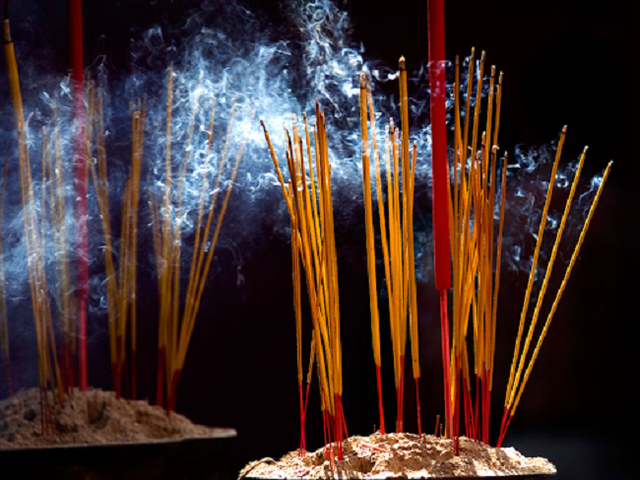
Những tác hại của khói hương tẩm hóa chất có thể gây ra cho sức khỏe con người
Khói nhang hóa chất tiềm ẩn nhiều nguy cơ gây hại cho sức khỏe. Nguy cơ này đến từ thói quen sử dụng nhang hương được ngâm tẩm hóa chất. Đa số chúng ta đều biết về sự độc hại có trong khói thuốc lá nhưng còn khói nhang hương làm từ hóa chất độc không phải ai cũng biết. Các sản phẩm nhang hương phổ biến trên thị trường hiện nay thường được sản xuất từ que tre bọc mùn cưa có tẩm tinh dầu hoặc hóa chất tạo mùi thơm. Khi đốt hoặc thắp nhang, các hạt hóa chất được giải phóng vào không khí dưới dạng khói. Nếu những hạt này được hít thở vào cơ thể, chúng có thể mắc kẹt trong phổi và gây ra phản ứng viêm.
Theo TS Phạm Thành Quân, Khoa Kỹ thuật Hóa học Trường ĐH Bách khoa TP HCM (chia sẻ trên báo NLD): khi đốt nhang, các loại hóa chất gặp nhiệt sẽ dẫn đến phản ứng hóa học tạo ra chất độc, thậm chí độc hơn khói thuốc lá. Nhang không khói độc hại hơn nhang tạo ra khói vì sản sinh axít gây nguy hiểm cho những người xung quanh.
“Thành phần nhang gồm có bột gỗ, tre, thảo dược, hóa chất tạo mùi, chất kết dính khi đốt sẽ tạo ra một số chất dạng hạt chiếm 45 mg/g cũng như sinh ra CO, CO2, NO2, SO2, benzene, toluene, xylenes, aldehydes, formaldehyde, hydrocarbon thơm đa vòng. Thông thường, các chất độc này tác động đến hệ hô hấp, kích ứng đường thở gây ho, hắt hơi, khó thở, chảy mũi và đặc biệt nguy hiểm đối với những người bệnh hen suyễn vì làm phát cơn hen cấp tính. Một số loại khi đốt sẽ tác động lên tế bào, các chủng khuẩn gây hại tế bào, gây đột biến, ung thư…”
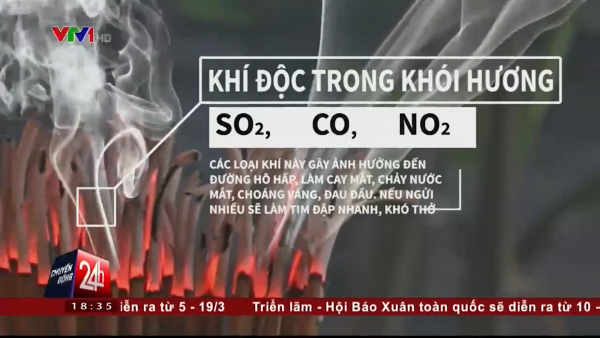
Khói nhang hóa chất chứa các hạt hóa chất cực độc gây hại cho sức khỏe người dùng
Ngoài ra, lưu huỳnh dẫn cháy sinh ra chất SO2, NO2, CO2, nếu hít phải sẽ ảnh hưởng đến khứu giác, mờ mắt; chất formaldehyde chống mốc có trong nhang làm tim đập mạnh, giảm thân nhiệt.
Bên cạnh đó, để tạo mùi thơm, khi làm nhang hóa chất người ta thường sử dụng hương liệu tổng hợp không có nguồn gốc rõ ràng. Đây chính mối nguy cơ chất độc vô cùng nguy hiểm gây hại cho sức khỏe. Thông thường thì thành phần tạo mùi thơm trong khói nhang là những hợp chất thơm có tên khoa học là benzene. Cho nên sau khi đốt nhang hai phút trong phòng kín thì từ khói nhang chứa chất làm thơm benzene có thể làm tổn thương mắt, da, hệ hô hấp, hệ thần kinh trung ương, gan, thận, làm mất sự tự điều hòa cơ thể và trầm cảm.
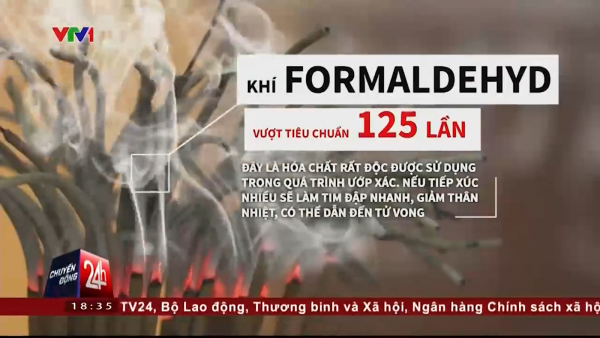
Ảnh minh họa
Theo bác sĩ Mike Hoaglin (Bệnh viện Duke, Mỹ), những người thường xuyên sử dụng hương tẩm hóa chất có:
- Nguy cơ mắc bệnh tim cao hơn 12%.
- Nguy cơ đột quỵ và bệnh mạch vành cao hơn 20% so với người ít hoặc không tiếp xúc.
[ENGLISH VERSION]
The smoke from chemically-treated incense carries many hidden health risks. These risks stem from the habit of using incense sticks soaked in chemicals. While most people are aware of the dangers of cigarette smoke, few realize that incense smoke made from toxic chemicals can be just as harmful. Most commercial incense on the market today is produced from bamboo sticks coated with sawdust and infused with essential oils or synthetic fragrance chemicals. When burned, these chemicals are released into the air in the form of smoke. Once inhaled, the particles can become trapped in the lungs and trigger inflammatory reactions.
According to Dr. Phạm Thành Quân, Faculty of Chemical Engineering, Ho Chi Minh City University of Technology (as cited in NLD newspaper): burning incense causes chemicals to undergo reactions under heat, generating toxic substances—sometimes even more harmful than cigarette smoke. Smokeless incense may actually be more toxic than smoking incense because it produces acids that are dangerous to people nearby.
“The composition of incense includes wood powder, bamboo, herbs, fragrance chemicals, and adhesives. When burned, they release particulate matter at about 45 mg/g, as well as CO, CO₂, NO₂, SO₂, benzene, toluene, xylenes, aldehydes, formaldehyde, and polycyclic aromatic hydrocarbons. Typically, these toxins affect the respiratory system, irritating the airways and causing coughing, sneezing, breathing difficulties, and runny nose. They are particularly dangerous for asthma patients as they can trigger acute asthma attacks. Some substances even damage cells, promote harmful bacterial growth, cause mutations, and lead to cancer.”
The smoke from chemical incense contains highly toxic particles that are harmful to users’ health.
In addition, sulfur-based ignition agents generate SO₂, NO₂, and CO₂, which, when inhaled, can impair the sense of smell and cause blurred vision. Formaldehyde, used as an anti-mold chemical in incense, can cause rapid heartbeat and lower body temperature.
To create fragrance, synthetic aromas of unclear origin are often added to chemical incense. This poses an extremely dangerous toxic threat to human health. Typically, the compounds responsible for the scent in incense smoke are aromatic hydrocarbons known as benzene. Within just two minutes of burning incense in a closed room, benzene released in the smoke can damage the eyes, skin, respiratory system, central nervous system, liver, and kidneys, as well as disrupt the body’s self-regulation and cause depression.
According to Dr. Mike Hoaglin (Duke University Hospital, USA), people who regularly use chemically-treated incense have:
- A 12% higher risk of heart disease.
- A 20% higher risk of stroke and coronary artery disease compared to those with little or no exposure.
Reference source/ Nguồn tham khảo: https://thaomocanan.vn/canh-bao-khoi-nhang-hoa-chat-doc-nhu-khoi-thuoc-la/
